This site is currently being upgraded. You may see some code pages. You can still check out products, and feel free to contact us if you have any issues.
Understanding Silicon Carbon vs Lithium Ion Battery
When it comes to the performance and longevity of mobile phones, one of the most important factors influencing these is battery technology. While mobile devices are getting increasingly powerful and advanced, there is also a higher demand for better batteries that will last longer, charge faster and remain safe.
Lithium-ion batteries have been used for a long time as the standard power source for smartphones and other electronics. In recent years, silicon-carbon batteries have become one of the most promising next-generation battery technologies, offering higher energy density, improved charging speeds, and better low-temperature performance. Let’s take a closer look at these two types of batteries, their key differences, benefits and potential challenges. Read on to learn more!
What is a Silicon Carbon Battery?
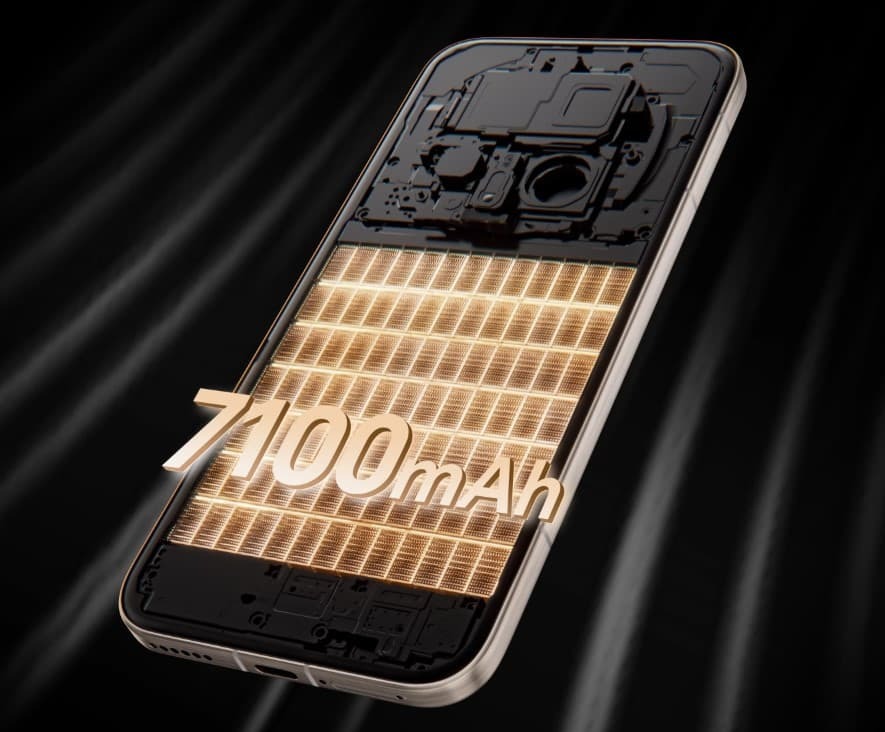
A silicon-carbon battery is the next-generation battery technology that enhances traditional lithium-ion batteries by incorporating silicon into the anode material. Graphite is typically used as the anode, so, in other words, a silicon-carbon battery uses silicon anodes instead of graphite, which allows the battery to store more lithium ions.
Silicon can store up to ten times more lithium than graphite, which increases the battery’s energy density. As a result, the smartphone with silicon carbon battery can achieve longer battery life without increasing the battery size. Apart from higher energy density, silicon-carbon batteries also supports fast charging capabilities and offer better performance compared to traditional lithium-ion batteries.
What is a Lithium-Ion Battery?
A lithium-ion battery is the standard, lightweight, rechargeable battery widely used in smartphones, laptops, power banks and even electric vehicles. It is the most common battery used. This type of battery is mainly divided into two types – lithium–ion battery and lithium-ion polymer battery. The anode is generally made from graphite, while the cathode is made of lithium metal oxides.
Lithium-ion batteries are often chosen as the main source, as they provide a good balance of energy density, lifespan and safety. Over time, these batteries have been upgraded to have better improvements in terms of thermal stability, charging speed and lifespan.
Silicon Carbon Battery vs Lithium Ion: Key Differences
Silicon-carbon battery vs lithium-ion battery: What are the key differences? In terms of features, the main difference between the two batteries is the materials used in the anode. Silicon carbon uses silicon-based materials in the anode while the traditional lithium-ion battery relies on graphite material.
For this reason, the silicon-carbon battery offers higher energy density, leading to the storage of more power in the same physical size compared to lithium ion battery, thus offering a longer battery life. Below are some key differences between silicon-carbon vs lithium-ion batteries in terms of advantages and disadvantages:
1. Charging Speed
Besides having higher energy density, silicon-carbon batteries can support faster charging speeds, thanks to its material being able to absorb lithium ions more efficiently, thus allowing the battery to charge more quickly. With a faster charging speed for silicon carbon batteries, users can recharge their devices in a much lesser amount of time compared to lithium ion batteries, making it highly beneficial for users who rely on their smartphones throughout the day.
2. Battery Lifespan
Battery lifespan is an important factor to consider when choosing between a silicon-carbon battery and a lithium-ion battery. Lithium-ion batteries are widely known for their reliability across many charging cycles. Silicon-carbon batteries, on the other hand, face a challenge whereby the battery tends to expand or swell up to 300% in volume when charging, which can cause electrode cracking and capacity degradation, leading to shortened lifespan. Due to this issue, improvements are still ongoing.
3. Temperature Performance
Silicon-carbon batteries offer better performance in extreme temperatures, particularly in colder environments, maintaining higher capacity and efficiency. This advantage is useful for travellers or users living in regions with colder weather. A traditional lithium-ion battery performs well in a temperature range between 20 degrees and 50 degrees Celsius, with extreme temperatures leading to accelerated aging and reduced performance.
4. Phone Design and Thickness
Another advantage of the silicon-carbon battery is that it allows manufacturers to design slimmer and lighter smartphones. This is due to the battery offering higher energy density, therefore, storing more energy in a small space. Lithium-ion batteries require more space to achieve the same capacity, thus limiting the smartphone design flexibility.
5. Cost
Lithium-ion batteries are widely used and often the preferred battery technology due to their affordability and availability. Meanwhile, silicon-carbon batteries are still relatively new and more expensive to produce. Plus, improvements are still ongoing as silicon needs to be stabilized within the battery structure. It is more common for premium or flagship smartphones to use this battery technology.
Benefits of Silicon Carbon Batteries in Smartphones
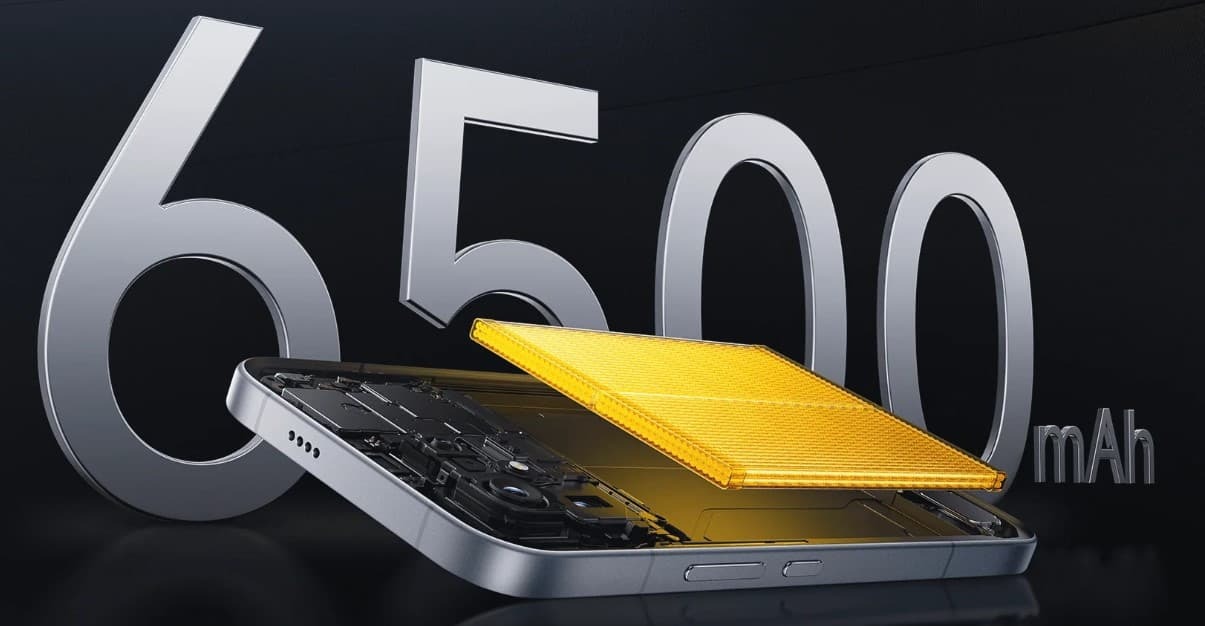
- Higher Energy Density: Provides longer battery life without increasing battery size, allowing slimmer and lighter smartphone designs.
- Faster Charging: Reduces the time spent recharging your device.
- Better Performance in Extreme Temperatures: Outperforms traditional lithium-ion batteries in hot or cold conditions.
- Future-Ready Technology: Offers powerful advantages that are likely to become more accessible in upcoming smartphone models.
Why Silicon Carbon Batteries Are Gaining Popularity
Silicon-carbon batteries are gaining popularity in recent years among phone enthusiasts for several reasons. Users are constantly looking for devices that deliver better battery performance, longer battery life and faster charging speeds.
With the latest smartphones becoming increasingly more advanced and powerful, they also demand better battery performance to keep up with their latest systems. Silicon-carbon batteries offer exactly that, which is why this battery technology has been gaining demand, particularly in premium and flagship models.
Challenges and Limitations of Silicon Carbon vs Lithium-Ion Batteries
Both the silicon-carbon battery and lithium-ion battery, each have their own challenges and limitations despite their advantages. Silicon-carbon batteries face a significant challenge related to the expansion of the battery when charging which causes mechanical stress inside the battery, leading to reduced lifespan. Another limitation is that the silicon carbon batteries have not been widely adopted as major companies such as Apple and Samsung still use lithium-ion batteries.
A traditional lithium-ion battery, on the other hand, faces a limited lifespan due to capacity degradation over time, especially with frequent charging cycles. Plus, it is also quite sensitive to extreme temperatures and generates heat during fast charging, which deeply impacts battery health. Research and development are still ongoing, whereby manufacturers are aiming to address these challenges to improve overall battery performance.
Top Smartphone Brands Using Silicon Carbon Batteries
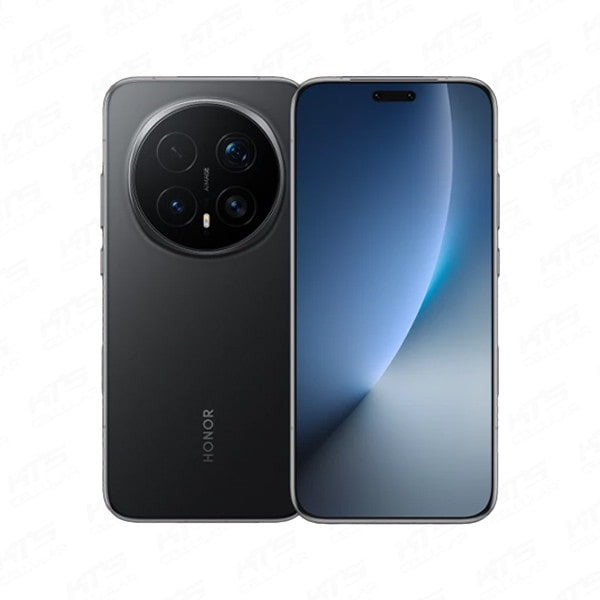
Several smartphone manufacturers have started using silicon-carbon batteries for their latest premium and flagship devices. The top smartphone brands using this battery technology include HONOR, OnePlus, OPPO, Realme, Xiaomi and Vivo. These brands use silicon-carbon batteries in selected devices, providing higher capacity without the need to increase the battery size and the thickness of the device.
These top brands deliver smartphones with better battery performances, including longer battery life, faster charging speeds and better lifespan. More and more devices will incorporate this battery technology in the future as manufacturers come up with better technology and advancements to make this battery safer, better and more efficient.
Conclusion
Silicon-carbon battery technology offers many advantages compared to lithium-ion batteries despite its challenges. With longer battery life, faster charging speeds, the ability to withstand extreme temperatures and slimmer phone designs, this technology is gaining popularity in recent years. Now that you have learned about both these battery technologies, which do you prefer?
If you’re looking for the latest smatphones in Malaysia, explore a wide range of devices on KTS featuring top brands with powerful battery performance. Shop on KTS today for the best deals available!